Deskbound mystery and cover-up simulator that puts choices first
The Outer Frame, from Sapucai Games, is a choice-driven adventure that places you behind a simulated desk to manage crises and conceal truths. The game combines investigative tasks with active information control, asking players to gather evidence, direct agents, and manipulate media to prevent public exposure. Core systems include an agent command layer, a simulated desktop interface, and branching timelines that respond to every decision. It targets narrative-minded players who enjoy moral ambiguity and replayable, management-focused mystery.
What kind of game is The Outer Frame?
In this game the player occupies a dual role as detective and fixer, combining investigation with cover-up management. The core loop requires you to research incidents, analyse leads, and then choose whether to expose, alter, or erase evidence. The design foregrounds decision-making: each choice changes character fates and narrative branches, and the stated aim is to keep the public from learning the truth while avoiding termination from your post.
Does it have a multiplayer mode and how do mechanics shape play?
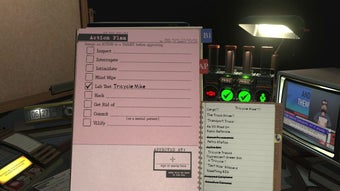
In this game the experience is single-player and centred on directing a team of agents from a desk interface. Players assign tasks such as lab tests, intimidation, and evidence disposal through an agent command system. The mechanics pair detective probes with active interventions, for example intercepting communications, ordering mind-wipes, or influencing media narratives, so gameplay alternates between information gathering and operational decision windows.
What does the game look and sound like?
In this game presentation leans into atmosphere via a simulated "Fake OS" desktop environment that frames all interactions. Visuals are point-and-click desktop screens with UI elements that mimic office software, and the tone mixes dark humour with supernatural and conspiracy motifs. Audio supports the mood with ambient desk-room cues and narrative-driven feedback, keeping attention focused on text, logs, and agent reports rather than action spectacle.
Is it hard to get started and what keeps players returning?
In this game onboarding relies on the desk simulation and choice feedback rather than action tutorials; decisions have visible, branching consequences and the stated design treats failure as an alternate timeline to explore. Replayability is driven by branching endings, dynamic narration, and the ability to try different agent strategies. However, the game is currently unreleased and a public playtest is scheduled, so initial impressions will depend on early-access availability.
Recommendation for investigative players who prefer moral complexity
The Outer Frame is a measured choice for players who enjoy narrative management and ethical gray areas, offering replayable branching timelines and a focused desk-driven experience. It suits those who favour close attention to consequences and strategic agent use. Consider waiting for the public playtest if you want hands-on evaluation, since the title is not yet released for general review.